Slavic Folklore Behind Tsarevna: Age of Tales
The Slavic mythology and fairy-tale figures that shape Tsarevna: Age of Tales, from Buyan and Iriy to Veles, upyrs and Cat Bayun.
- Which Slavic myths and folklore creatures appear in Tsarevna: Age of Tales?
- What is the world of the game based on?
- Where does the journey take you — and what are Buyan and Iriy?
- Who is the Upyr Volkhv, and how does Veles fit in?
- Which folklore creatures do you fight?
- Does the folklore come through in the music?
- What is not officially confirmed yet?
- Related guides
Which Slavic myths and folklore creatures appear in Tsarevna: Age of Tales?
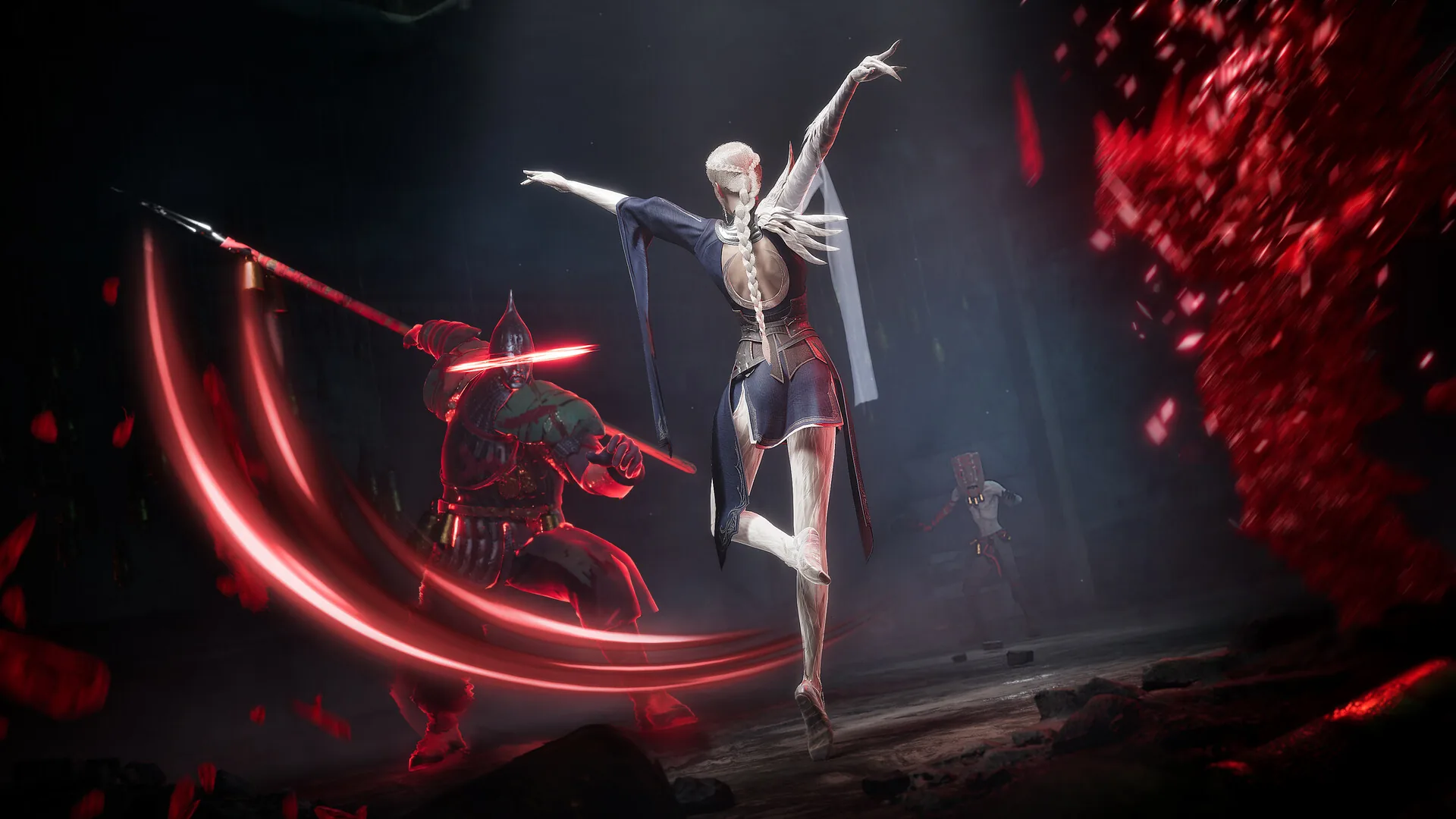
TSAREVNA. Age of Tales draws on Slavic folklore for its places, characters and enemies, but the developers have only named a handful of them so far. The fabled island of Buyan and the heavenly realm of Iriy are confirmed lands, the Upyr Volkhv has a written origin story that names Veles, Cat Bayun is your sharp-tongued fairytale companion, and enemies are described generally as creatures drawn from Slavic folklore and fairy tales. Beyond those names, the official store page does not list a full bestiary of mythological figures.
What is the world of the game based on?
A dark Slavic fantasy reimagined into a new world. The developers describe Tsarevna as a story-driven action adventure set in a dark world of Slavic fantasy, with a story inspired by well-known Slavic folklore "reimagined in a fresh new way." An announcement on recording the game's theme says the same approach carries into the visuals, with familiar elements of Slavic culture reworked through a dark fantasy aesthetic.
Where does the journey take you — and what are Buyan and Iriy?
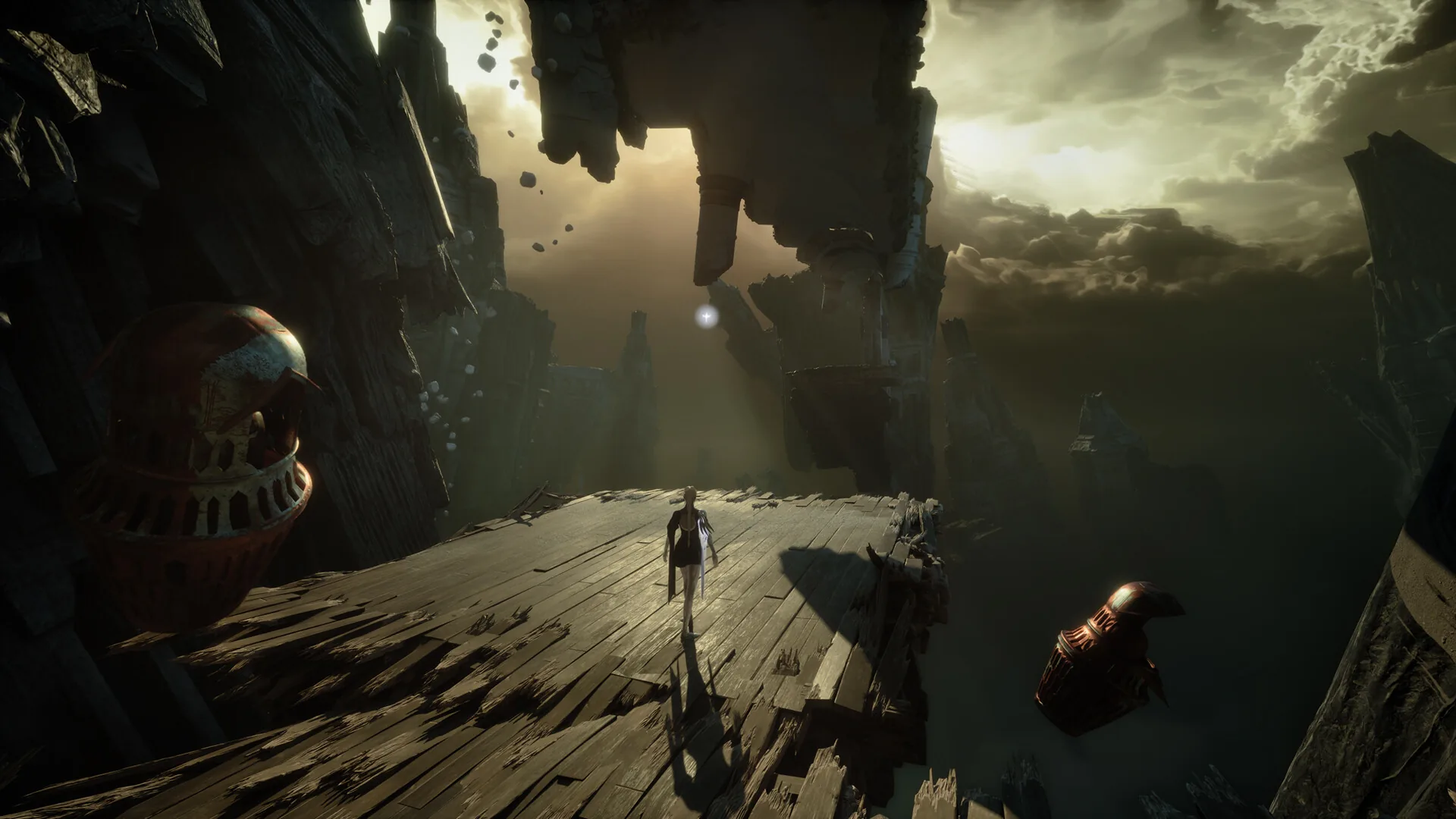
Buyan is a fabled island, and Iriy is the heavenly realm, and both are described as haunting lands. They anchor opposite ends of the journey: the store page describes exploring haunting lands "from the fabled island of Buyan to the heavenly realm of Iriy," all of them scarred by a long-forgotten cataclysm. Between these two extremes the game promises enchanted forests, forgotten places and ancient ruins, each location handcrafted to tell its own story.
Who is the Upyr Volkhv, and how does Veles fit in?
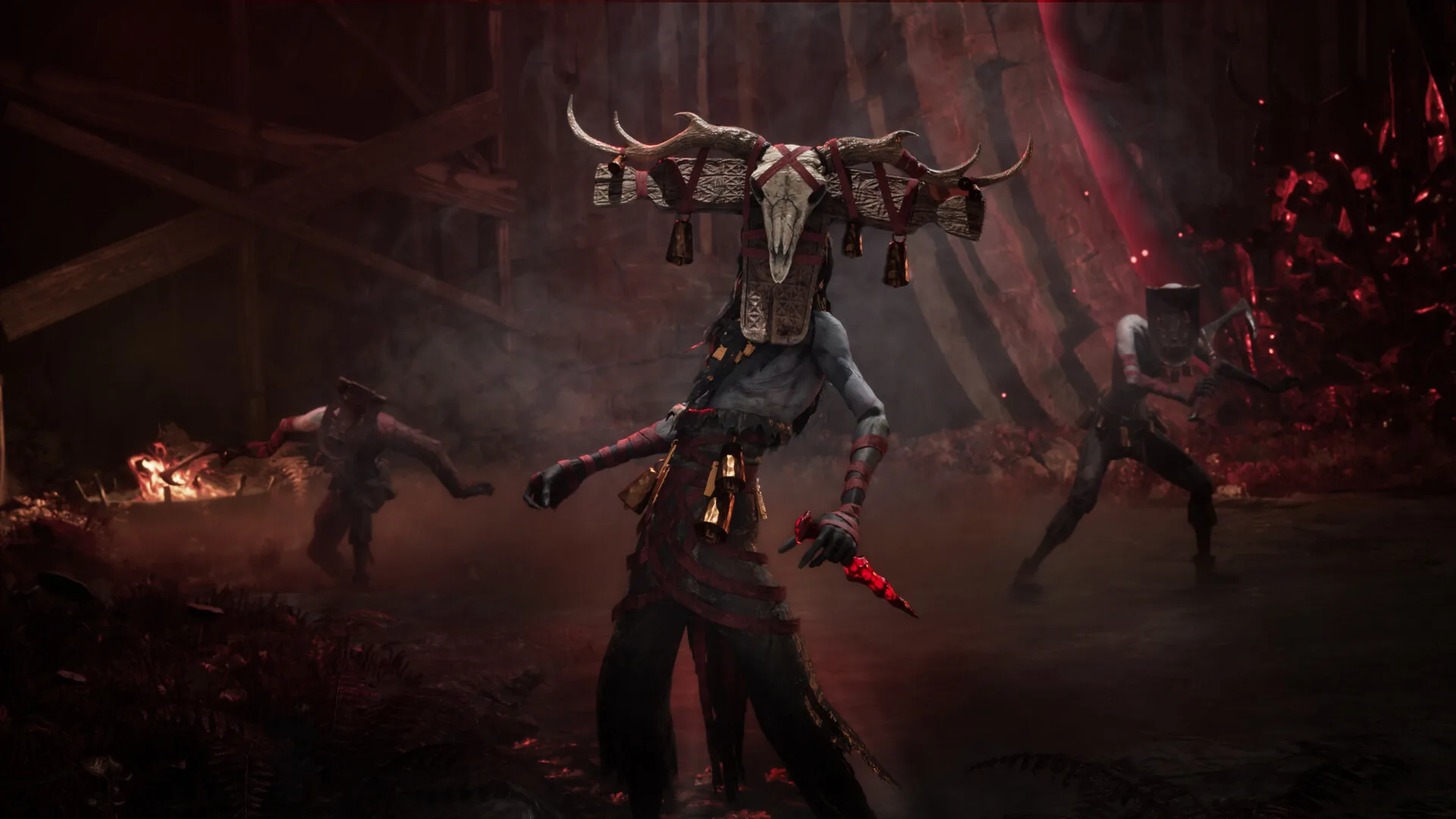
The Upyr Volkhv is a character who began his journey as a respected sage and ended it as an unholy creature, and Veles is named in the story of what became of him. In a development announcement about the character, the story runs like this:
- Fearing old age, the volkhv began stealing years from unsuspecting villagers through curses, enchanted objects and drinking their blood.
- Each ritual restored his youth but gradually erased his humanity.
- Death came late and agonizing, and for the lives he stole, Veles would not allow his soul to find peace.
- Trapped between worlds, he became a hostage corpse — an upyr — and kept his mind and sorcerous power.
- He now performs rituals for the unclean, desecrating sanctuaries and carving amulets from ichor.
That is the fullest piece of folklore the developers have explained in writing so far, and it is the clearest example of how the game turns a myth into a character.
Which folklore creatures do you fight?
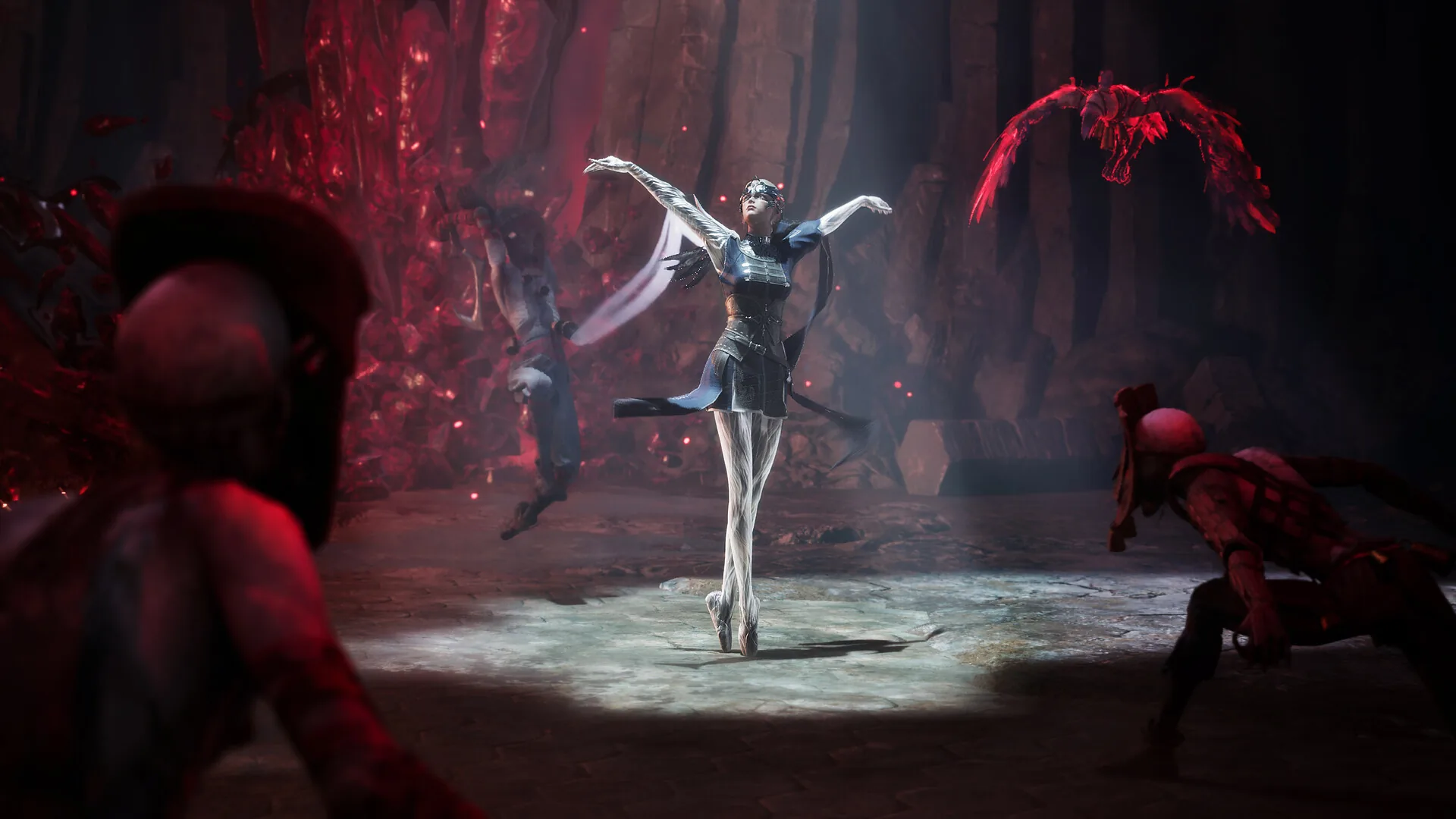
Creatures from Slavic folklore and fairy tales make up the enemy roster, but only a few figures are named. The store page says every encounter — towering bosses, forgotten heroes and folklore creatures — is built to reveal another piece of the world's forgotten history. The Upyr Volkhv is the character the developers have explained in most depth; a story announcement traces his fall from respected sage to unholy creature.
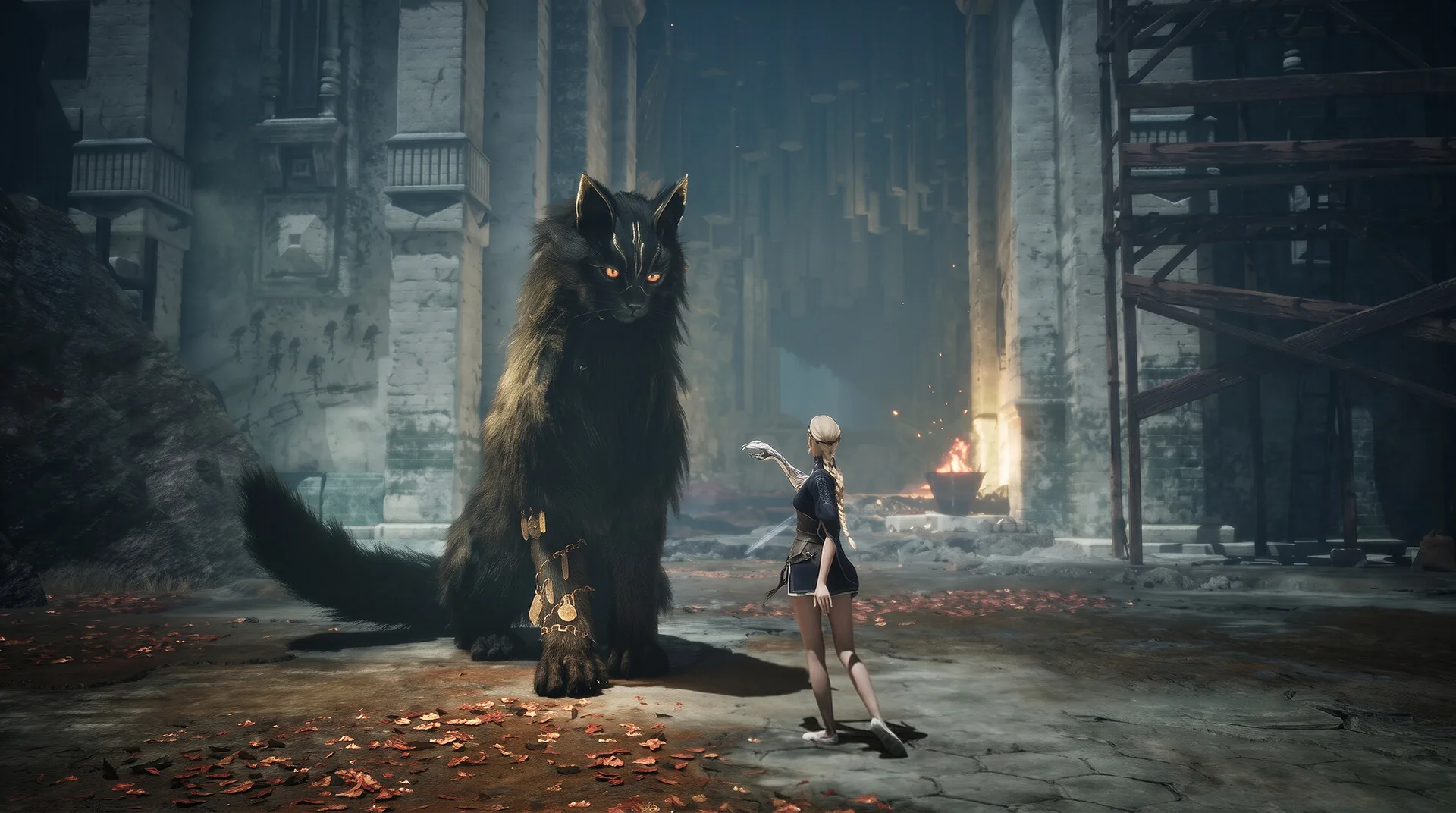
Cat Bayun is a different case: the store page presents him as your sharp-tongued fairytale companion rather than an enemy. The level designer's account of building levels also mentions setting up encounters with Cat Bayun as part of the level logic. The developers have not published a full list of bosses or creatures, so more names may surface as development continues.
Does the folklore come through in the music?
Yes — folk motifs, choral singing and classical symphonic elements are blended in the orchestral score. In an announcement about recording the main theme, the team describes a live performance by the Opensound Orchestra conducted by Stanislav Malyshev, with composer Alexander Billion shaping a single melody that starts bright and grows darker as the heroine's story progresses. The theme is said to blend folk motifs with choral and symphonic writing, echoing the way the visuals treat Slavic culture.
What is not officially confirmed yet?
The full cast of mythological figures is not officially documented. Metacritic shows no critic or user reviews yet, according to Metacritic, so there is no outside assessment of the folklore work either. The confirmed ground is the named elements above — Buyan, Iriy, Veles, the Upyr Volkhv and Cat Bayun — plus the general promise of creatures drawn from fairy tales and forgotten legends.
Related guides
Related Guides
Tsarevna Combat: Stances, Style Rank and Momentum
How the two stances work in Tsarevna: Age of Tales, what pointe stance changes, and how combat ranks and momentum drive her ballet-inspired moveset.

Tsarevna: Age of Tales Controls and Controller Support
Is Tsarevna: Age of Tales playable on a gamepad? Full controller support, DualSense support, gamepad recommendation and captions explained.
Tsarevna: Age of Tales Locations: Buyan and Iriy
The confirmed places Tsarevna visits in Tsarevna: Age of Tales, from the fabled island of Buyan to the heavenly realm of Iriy, and how levels are built.
Tsarevna: Age of Tales Walkthrough and Story Flow
A spoiler-light walkthrough outline for Tsarevna: Age of Tales: Tsarevna's journey, Cat Bayun's role, Buyan and Iriy, and the big encounters ahead.