How Tsarevna's Levels Are Designed: From Paper to Blockout
A look at Watt Studio's level design process for Tsarevna: Age of Tales, from paper layouts to Unreal Engine 5 blockout and level logic.
How are the levels in Tsarevna: Age of Tales built?

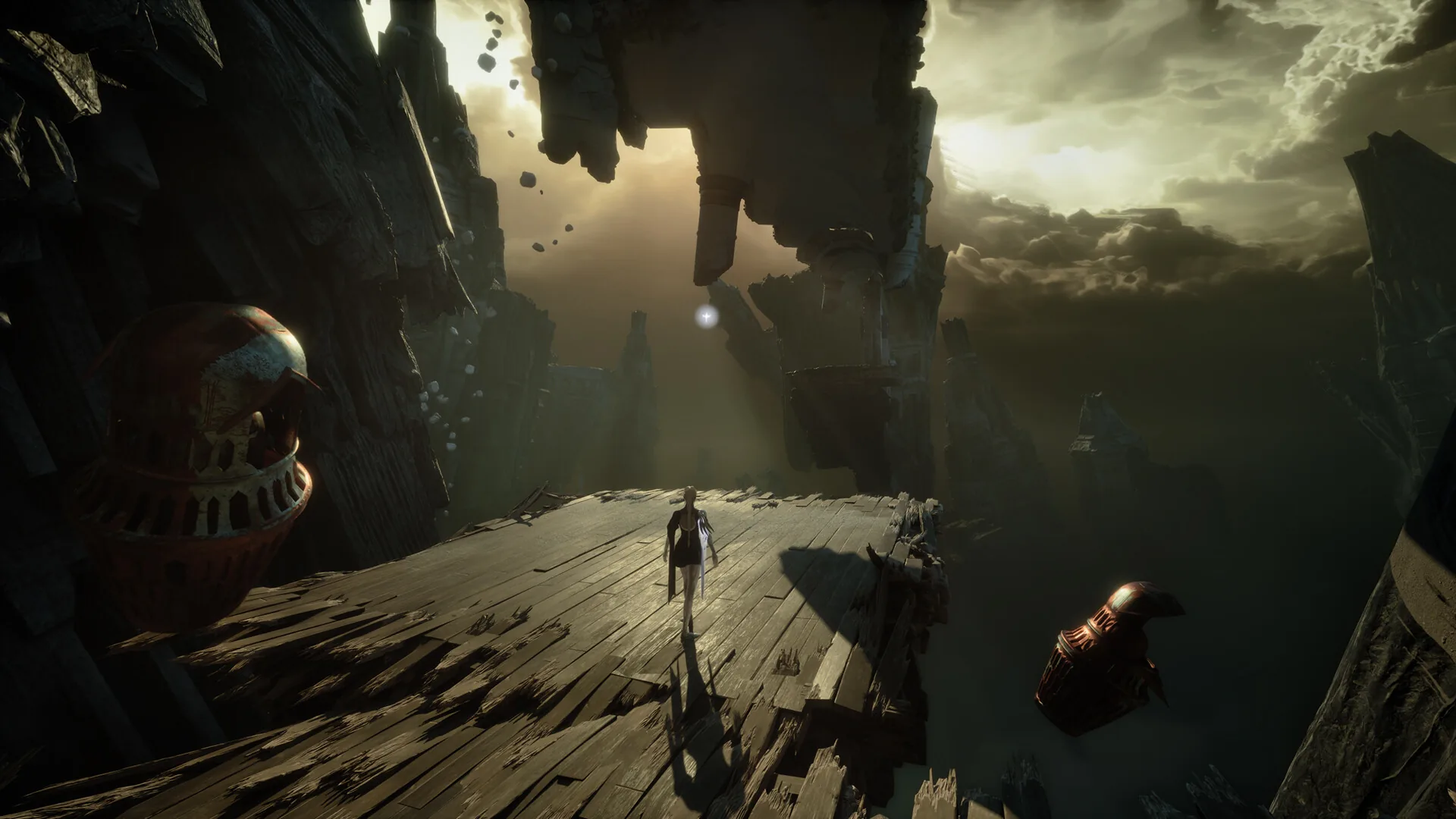
Levels in TSAREVNA. Age of Tales are built in layers: the level designer gathers input from game design, narrative and art teams, then moves from a paper layout to a blockout in Unreal Engine 5, and iterates on that blockout by repeatedly playing through it. The process is described in a development post about level creation written by Tanya, the game's level designer.
What does the level designer do before building a level?
Tanya explains that her work starts with collaboration across departments. Before building a level, she requests input from the game design, narrative and art teams, and together they discuss the future location: its goals, its limitations, and the new experience it should give the player. She describes her role as bringing gameplay and narrative together into a complete player experience, following Tsarevna's path with the player through different locations.
What is the "pen to paper" stage?
After gathering input, the level designer starts on the structure of the level with a prototype. She calls this a paper layout, or "pen to paper," and it becomes the foundation for the future level in the engine. This stage comes before any 3D work begins.
How does the blockout work in Unreal Engine 5?
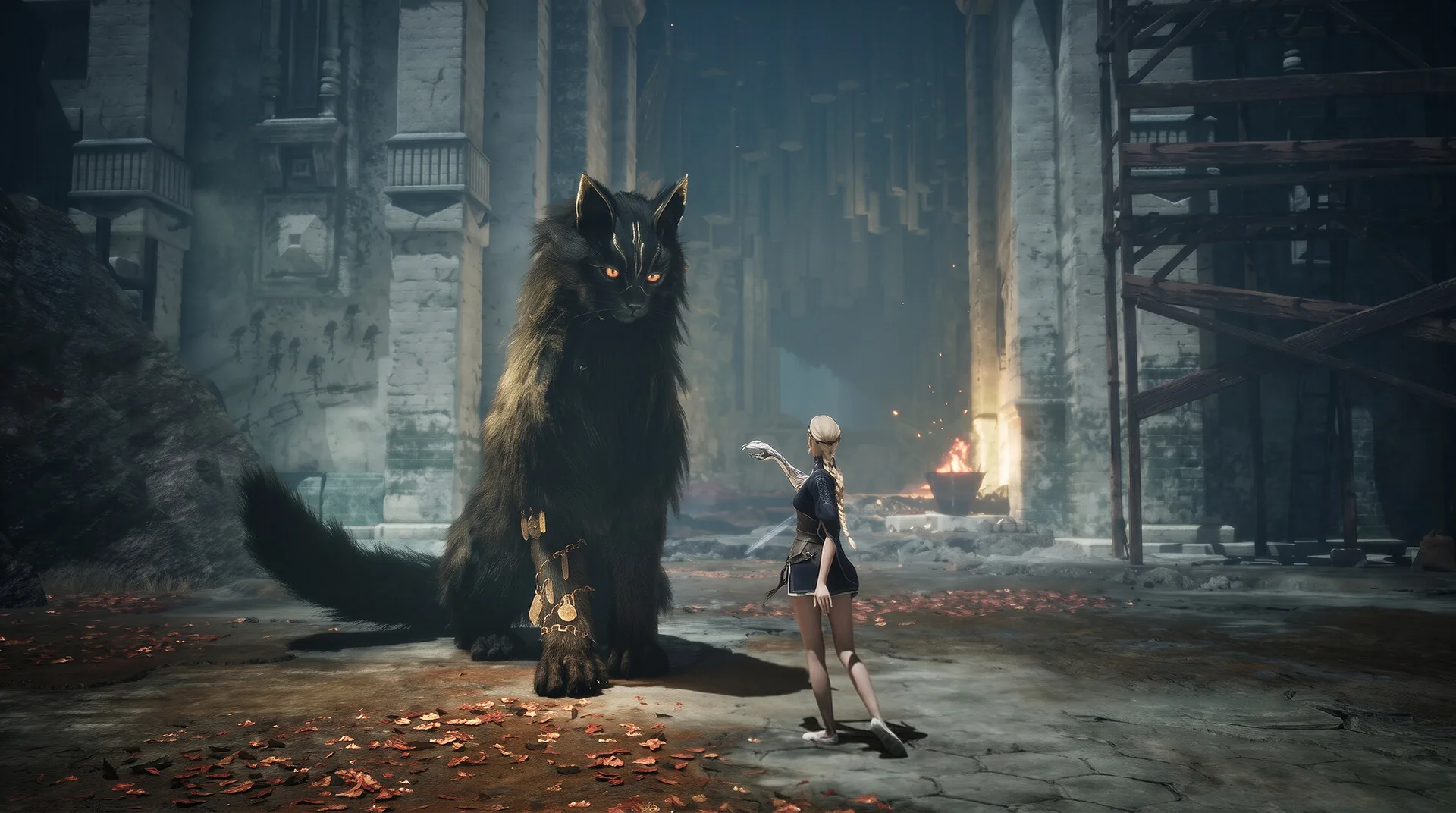
The next step is the blockout in Unreal Engine 5, built from simple shapes such as cubes, cylinders and other basic forms. At the same time, the team calculates necessary metrics, which are then followed, for example, in architecture. After that, Tanya sets up the level logic: arenas, platforming sections, cutscene entrances and encounters with Cat Bayun. She says this is what helps build a dynamic level flow without slowdowns for the player. Several layers of the game have to be considered at once during development — game design, the combat system, narrative and visual presentation — because all of them affect the player experience.
Why is the blockout played over and over?
The blockout stage is constantly iterated on. Tanya stresses that it is very important for her to play through the level often and to keep refining it.
- Paper layout first, then simple shapes in the engine.
- Metrics calculated alongside the blockout and used to guide architecture and scale.
- Level logic placed early: arenas, platforming sections, cutscene entrances, Cat Bayun encounters.
- Repeated playthroughs and iteration during the blockout stage.
Is there a final, locked-in version of the levels yet?
Not according to the official posts. The game is listed for release in 2027, and a development status announcement says the team is polishing existing content and refining the locations and characters Tsarevna will encounter on her journey. The level designer's post does not describe final, finished layouts, so any details beyond the workflow above are not officially documented yet.
Related guides
Related Guides
Tsarevna Combat: Stances, Style Rank and Momentum
How the two stances work in Tsarevna: Age of Tales, what pointe stance changes, and how combat ranks and momentum drive her ballet-inspired moveset.
Tsarevna: Age of Tales Controls and Controller Support
Is Tsarevna: Age of Tales playable on a gamepad? Full controller support, DualSense support, gamepad recommendation and captions explained.
Tsarevna: Age of Tales Locations: Buyan and Iriy
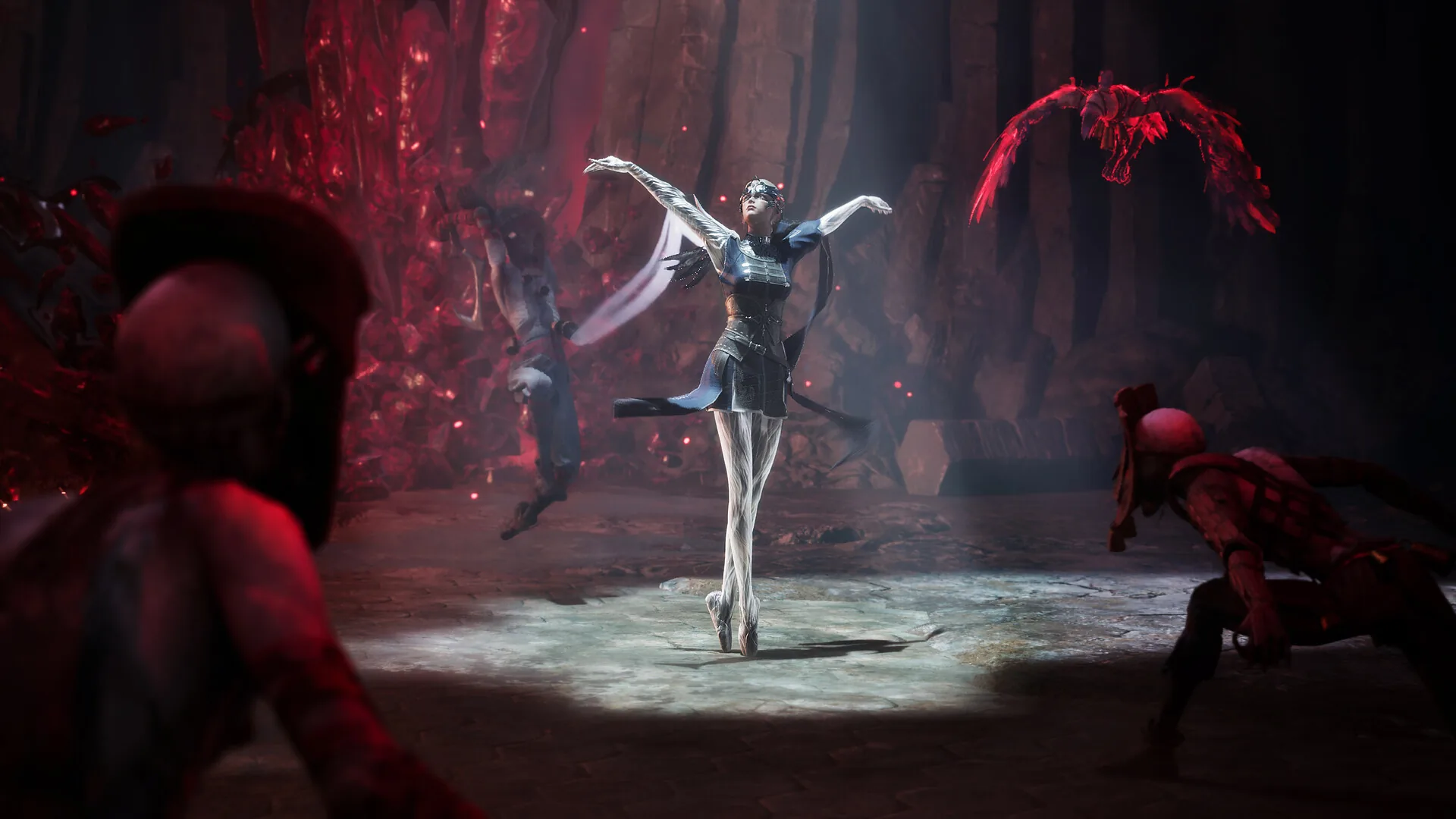
The confirmed places Tsarevna visits in Tsarevna: Age of Tales, from the fabled island of Buyan to the heavenly realm of Iriy, and how levels are built.
Tsarevna: Age of Tales Walkthrough and Story Flow
A spoiler-light walkthrough outline for Tsarevna: Age of Tales: Tsarevna's journey, Cat Bayun's role, Buyan and Iriy, and the big encounters ahead.