How Tsarevna's Levels Are Designed
TSAREVNA's levels move from team discussions and paper layouts to Unreal Engine 5 blockouts, with arenas, platforming and Cat Bayun encounters.
How are levels built in TSAREVNA. Age of Tales?
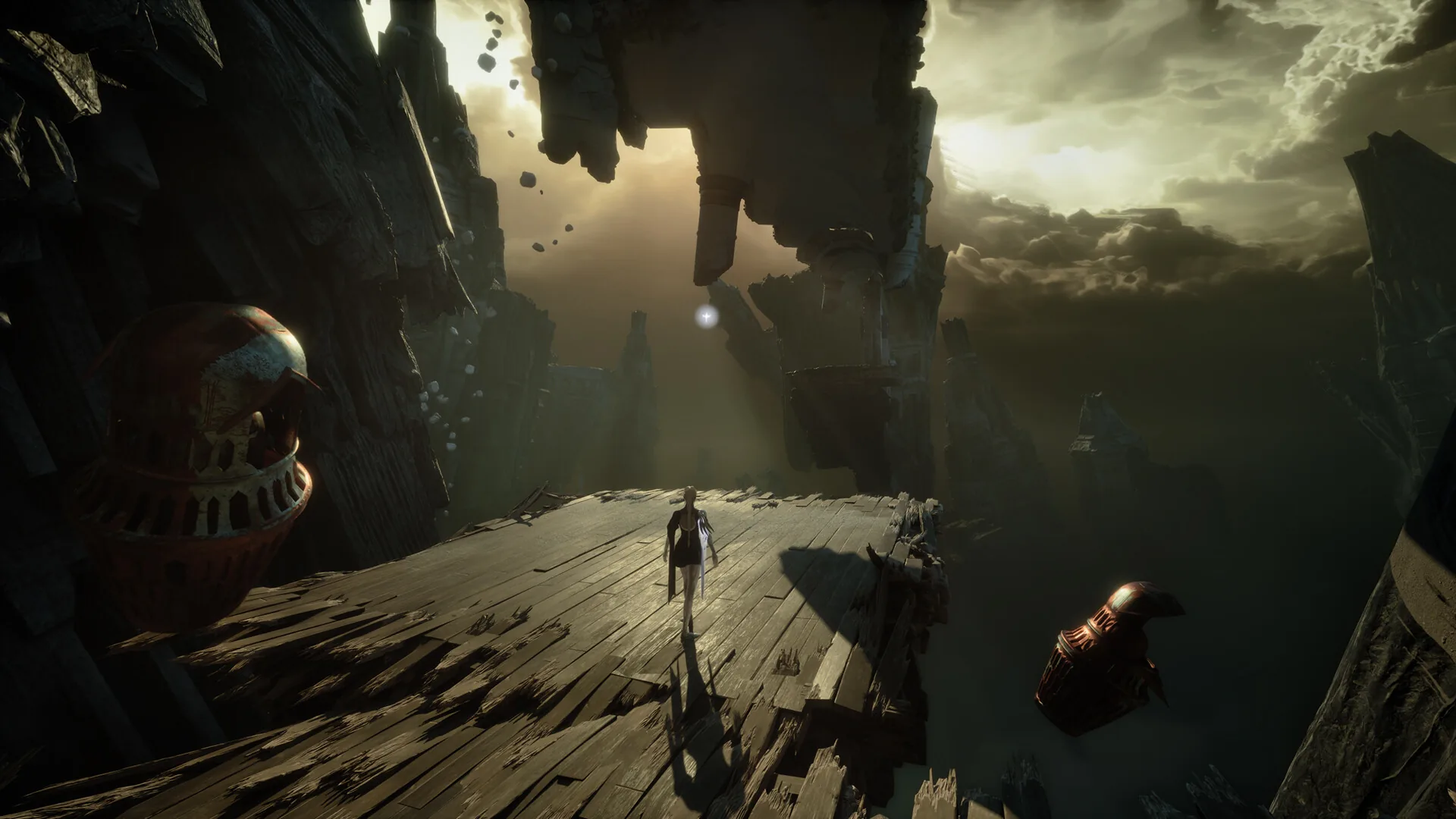
Levels in TSAREVNA. Age of Tales start with team discussions, move to paper layouts, and then become simple blockouts in Unreal Engine 5. Watt Studio's level designer Tanya gathers input from game design, narrative and art teams about each location's goals, constraints and intended player experience before building its structure.
Quick reference
| Stage | What it involves |
|---|---|
| Planning | Discuss the location's goals, constraints and new player experience with game design, narrative and art teams. |
| Paper layout | Draw the level's foundation before working in the engine. |
| Blockout | Build with cubes, cylinders and other basic shapes in Unreal Engine 5, and calculate level metrics. |
| Level logic | Add arenas, platforming sections, cutscene entrances and Cat Bayun encounters. |
| Iteration | Play through the rough level often and revise it continuously. |
Who designs the levels and what comes first?
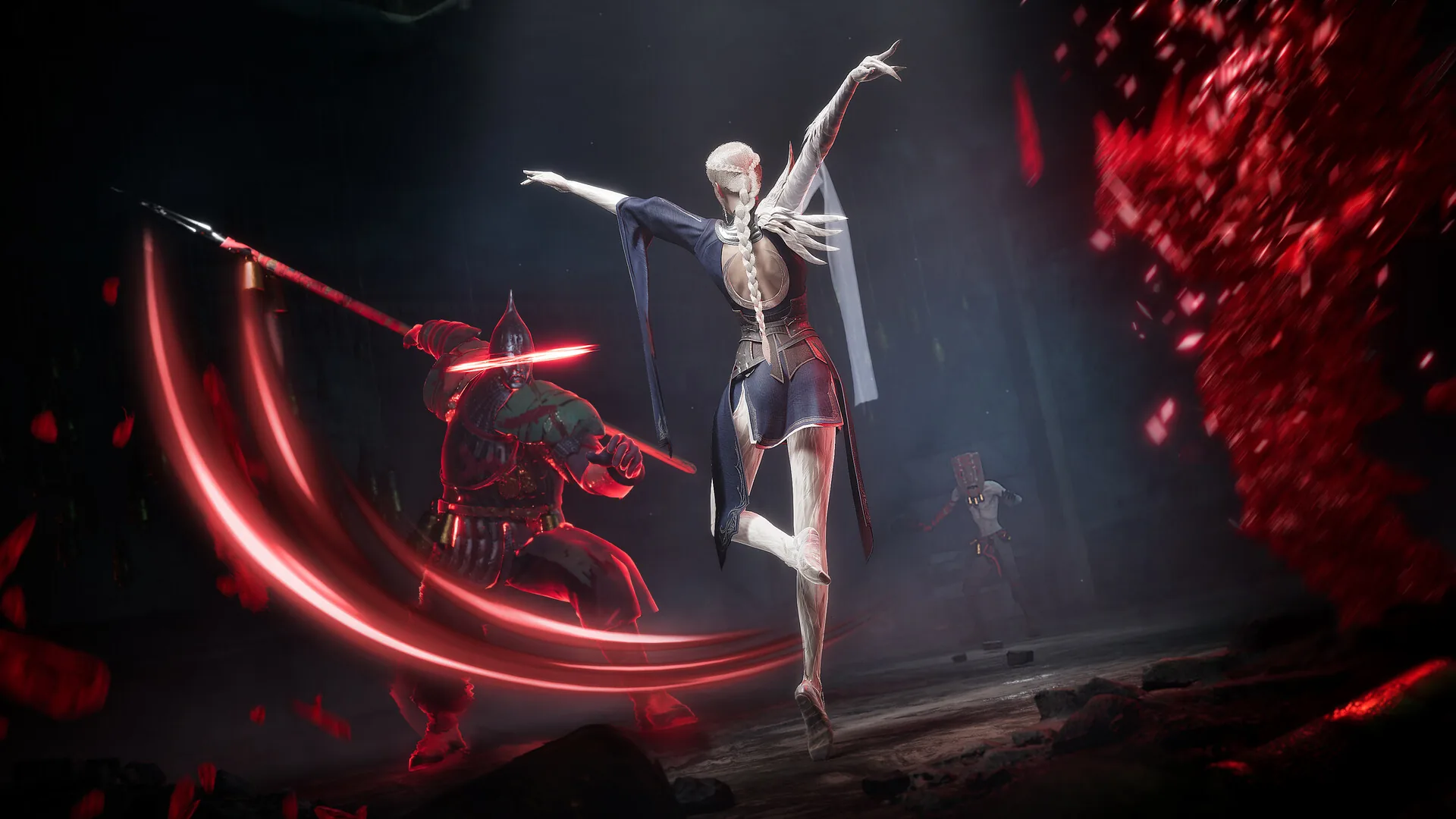
Tanya designs the levels, starting with discussion rather than geometry. She asks for input from game design, narrative and art teams and talks through each future location with them: its goals, its constraints, and the new experience it should offer. Only after that does she start working on the structure of the level.
What is the "pen to paper" stage?
The “pen to paper” stage is a paper-layout prototype that becomes the foundation for the level in the engine, according to Tanya in How Levels Are Created in Tsarevna. She creates this layout after gathering input from the other teams and before building the blockout.
How is the blockout built in Unreal Engine 5?
The blockout is assembled inside Unreal Engine 5 from cubes, cylinders and other basic shapes. At the same time, the team calculates the necessary metrics, which are then followed, for example in architecture.
Tanya then sets up the level logic: arenas, platforming sections, cutscene entrances, and encounters with Cat Bayun. These elements are intended to create a dynamic level flow without slowdowns for the player.
Is the first blockout final?
No—the blockout is revised continuously. Tanya plays through the level often while it is still in this rough shape and iterates on it. The step-by-step summary:
- Request input from game design, narrative and art.
- Draw a paper layout, or “pen to paper” prototype.
- Build the blockout in Unreal Engine 5 from simple shapes.
- Calculate the level's metrics alongside blockout work.
- Set up level logic: arenas, platforming sections, cutscene entrances and Cat Bayun encounters.
- Play through and iterate on the blockout repeatedly.
What to read next
Related Guides
TSAREVNA Air Combos: What the Developer Has Announced
Players build momentum through combos and climb combat ranks in TSAREVNA’s combat system.
Tsarevna Beginner Guide: What Confirmed Systems to Expect
Normal stance focuses strikes, while pointe stance uses wider attacks to control groups of enemies.
How Tsarevna's Two Stances Change Combat
Pointe stance uses spins and pirouettes for crowd control and changes aerial and ranged techniques.